
$45 Document Check
Pre-submission apostille review to identify route qualification, document condition, and readiness gaps before filing. Credited 100% to your apostille service when you proceed. Apostilles are issued by the California Secretary of State — our role is to identify readiness and routing issues before submission.
For official California apostille information, visit the California Secretary of State apostille page.
The $45 Document Check is the smartest first step. Before you spend the $20 California Secretary of State fee, before you pay for shipping, before you risk a Sacramento trip — we review your document for SOS eligibility. Certified-copy status, notary acknowledgement wording, destination-country routing, and translation requirements all confirmed in one business day. If your document passes, the $45 is credited 100% to your apostille service. If it’s declined, you saved the $20 state fee + shipping + a wasted Sacramento trip.
What the Document Check Covers
Most apostille delays begin before submission. A document may be routed incorrectly, presented in the wrong form, missing a required notarial element, or aimed at the wrong certificate type for the destination country. Once that problem moves into filing, the cost is delay, repeat handling, repeat shipping, or a failed next step with the California Secretary of State.
Use this check when the document is not yet confirmed ready, when route qualification is unclear, or when you do not want to risk moving into the wrong service path.
What To Provide
Document type, issuing source, any notarization or certification details, and the destination country requirement if known.
What Happens Next
We identify readiness issues, route qualification problems, and certificate-path gaps before you move into service selection.
When To Use This Check
Before choosing statewide service, rush handling, mail submission, or pricing comparison when document status is unclear.
Common Issues the Check Catches
An apostille document check is most valuable when document condition is uncertain. These are the most common problems caught before they cost time and fees.
Wrong Document Version
Photocopies, uncertified copies, and outdated certificate formats are rejected by the California Secretary of State. Only the correct certified version qualifies.
Incomplete Notarization
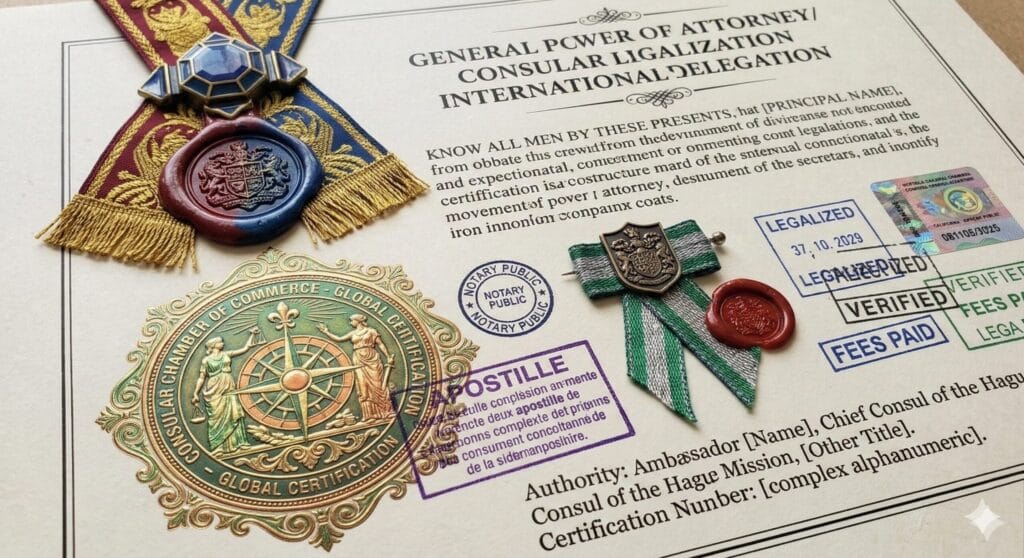
Private documents like powers of attorney must be notarized by a California notary public with a complete, legible seal before apostille submission.
Wrong Route
Federal-origin documents like FBI records route through the U.S. State Department — not the California SOS. Wrong authority restarts the entire process.
One Mistake That Causes Major Delays
Submitting an unready document significantly increases the risk of delay or rejection. A plain photocopy, uncertified copy, incomplete notarization, or wrong issuing format may be rejected by the California Secretary of State, adding processing time, extra fees, and a repeated submission cycle.
Wrong Document
Higher rejection risk and delays at the SOS. The Document Check identifies this before fees are paid.
Wrong Route
Routing errors — like sending a federal document to the California SOS — require restarting the process entirely through the correct federal channel.
Learn more about why California apostilles get rejected.
The 3-Apostille Concierge Package
Three apostilles bundled at the fastest service possible — same-day Sacramento filing when SOS capacity allows. All California Secretary of State filing fees, $45 Document Check on each document, and tracked return shipping included.
How the Document Check Works
Submit Request
Send a photo or PDF of your document via email or call us.
Pay $45
Quick payment via credit card, debit, or invoice link.
Receive Verdict
1 business day review with pass/fail and exact next steps.
Proceed or Pivot
If pass: $45 credited to apostille service. If declined: we tell you exactly what to fix.
Document Check FAQ
Why start with a Document Check?
Most apostille delays begin with preventable readiness or routing problems. The $45 Check identifies these before you pay the $20 state fee.
What does the check look for?
Wrong document version, incomplete California notarization, incorrect route (CA SOS vs U.S. State Department), destination-country mismatches.
Before same-day service?
Yes — choosing same-day on an unready document wastes the premium cost. Document Check always comes first.
Before mailing?
Yes — mailing an unready document creates a rejection cycle that adds weeks. Check before sealing the envelope.
Non-Hague countries?
Yes — check identifies if apostille is wrong route and embassy legalization is needed instead.
Is the $45 refundable?
Credited 100% to your apostille service when you proceed. Non-refundable if declined — but saves you the $20 state fee + shipping.
Related Pages
Contact Apostille San Francisco
📍 416 Bryant St, San Francisco, CA 94107
✉️ info@apostillesanfrancisco.com
🕐 Monday–Friday · 9:00 AM – 5:00 PM PT